
Why Do My Drains Smell Like Rotten Eggs, and How Do You Fix It?
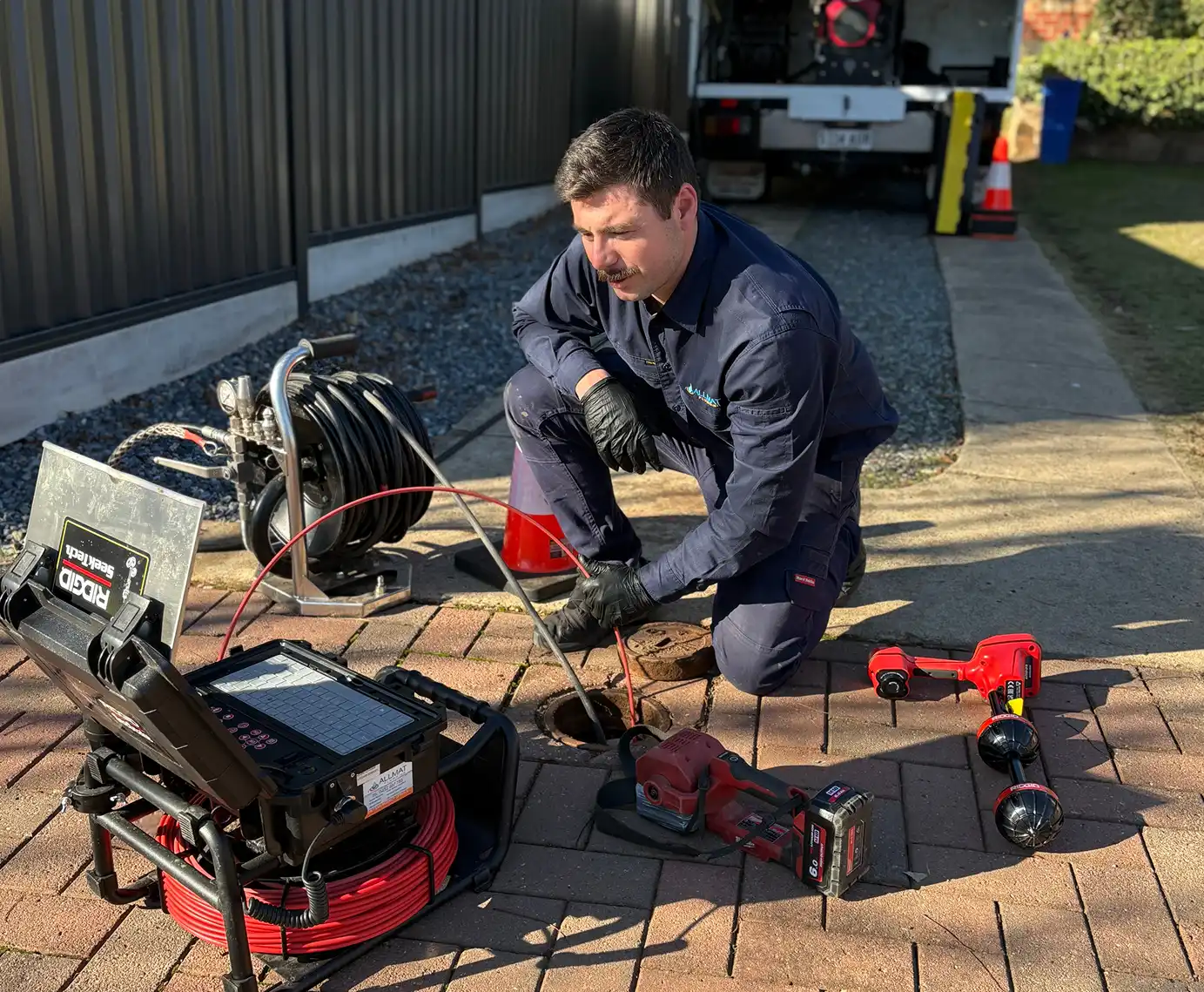
A rotten egg smell is hydrogen sulphide, and in a house it has only 3 realistic sources. A trap that has dried out or been siphoned is letting sewer gas straight into the room, and that costs nothing to fix. Bacteria breaking down hair, soap and grease inside the waste pipe produce the same gas closer to home. If the smell only appears at the hot taps, the drain is innocent and the cause is inside the hot water cylinder. Identify which of the 3 you have before trying any remedy, because the remedies do not overlap.
Need this sorted rather than explained? Blocked Drains in Adelaide. Also worth reading: Why Is My Kitchen Sink Gurgling When I Flush the Toilet? · Stormwater Drain Maintenance in Adelaide: The Autumn Checklist
Work out which smell you have first
Every remedy online gets applied to every smell, which is why so many of them fail. The smells below have different causes and different fixes, and telling them apart takes a minute of attention rather than any equipment.
| What it smells like | When it appears | What it is |
|---|---|---|
| Rotten eggs or sulphur, only at hot taps | Strongest first thing, or after the house has been empty | Sulphate-reducing bacteria reacting with the anode in the hot water cylinder |
| Rotten eggs or raw sewage, from a specific outlet | Constant, worse on warm days, worse in an unused room | A trap that has dried out or been siphoned, letting sewer gas straight up |
| Sour, sweet or rancid, from the kitchen | Worse when the sink is used, and when the water is hot | Grease and food biofilm on the pipe wall inside the waste and the overflow |
| Musty or mouldy, near a basin | Constant, no change when water runs | Mould in the overflow channel of the basin, not in the drain at all |
| Sewage in more than 1 room, or in the yard | Comes back within hours of clearing it | A blocked vent, a dried overflow relief gully, or a cracked drain under the house |
The dry trap: the most common cause, and it is free to fix
Every outlet in the house is sealed against the sewer by a small plug of water held in a trap. There is no valve, no membrane and no mechanism. The water is the seal. Lose the water and there is nothing between the sewer and the room.
Traps lose their water 2 ways. They evaporate, which happens to any fixture that goes unused, and they get siphoned, which happens when a large flow elsewhere pulls air through them. Gurgling from a nearby fixture is the audible version of the second, and it usually turns up in the same house as the smell.
- Guest bathrooms, second showers and rarely used basins are the usual offenders.
- Laundry floor wastes are next, because nothing routinely discharges through them once a washing machine outlet hose sits in the standpipe instead.
- The overflow relief gully outside holds a water seal too, and it is fully exposed to sun and wind.
- A holiday house, a rental between tenants or a home whose owners have been away a month will usually have several dry traps at once.
The remedy is to run every tap, shower and floor waste for 30 seconds, flush every toilet, and pour a couple of litres down anything with no tap over it. Then wait a day. If the smell has gone, that was the whole problem. For a fixture that will keep going unused, a small amount of cooking oil poured in after refilling floats on the seal and slows evaporation considerably.
When only the hot taps smell, it is the anode
This is the cause most drain articles never mention, and it accounts for a large share of rotten egg complaints. A storage hot water cylinder contains a sacrificial anode, usually magnesium, whose job is to corrode instead of the steel tank. Where the water supply carries sulphate and the tank has been sitting warm and undisturbed, sulphate-reducing bacteria use the hydrogen generated at that anode and produce hydrogen sulphide. Hydrogen sulphide is the rotten egg smell, and it arrives only with hot water because that is where it is being made.
- The giveaway is that cold water is odourless from every tap, and hot water smells from every tap.
- It is usually worst on the first draw of the day and after a holiday, because the water has been sitting.
- It is not a health risk at the concentrations involved, and it does not mean the tank has failed.
- The permanent remedy is replacing the magnesium anode with an aluminium or zinc alloy anode, which does not feed the same reaction.
- Raising the stored temperature also suppresses it, and a storage cylinder should be held at 60 degrees anyway to control Legionella, with a tempering valve limiting what reaches the tapware.
The reason this is worth getting right rather than living with is that the anode is a wear part. If the smell has appeared and nobody has checked the anode, the more useful question is how much of it is left. An anode that has been fully consumed stops protecting the cylinder, and the next thing to corrode is the tank.
Biofilm in the waste, and what honestly shifts it
A kitchen smell that gets worse when the sink is used is coming from the pipe wall, not from the sewer. Fat, soap and food residue build a soft organic layer inside the waste, bacteria colonise it, and the smell is the by-product. The same happens in a shower waste, and in the basin overflow channel, which almost never gets cleaned.
Now the unpopular part. Bicarbonate of soda and vinegar is the most recommended remedy on the internet and it is close to useless as a drain treatment. The 2 ingredients neutralise each other on contact, and what is left in the pipe a minute later is salty water. The fizz looks impressive in a sink and has no force behind it once it is inside a 40mm waste. It will not damage anything, and it will not remove a biofilm or move a blockage.
- Remove and clean the pop-up plug or the shower waste grate. A surprising share of kitchen and bathroom smells live on the underside of the plug itself.
- Scrub the basin overflow with a bottle brush and warm detergent. This is the fix for a musty smell that never changes when water runs.
- Flush the waste with very hot tap water and a good squirt of dishwashing liquid, then leave it 10 minutes and flush again. The detergent emulsifies the grease, the heat keeps it moving, and neither is hot enough to damage the pipe.
- For a persistent kitchen smell, undo the trap over a bucket, tip it out and rinse it outside. Traps hold the worst of it, and this is the step that actually works.
- For ongoing maintenance in a grease-prone kitchen, an enzyme or bacterial drain treatment left overnight does slowly digest organic build-up. It needs contact time and it does nothing to roots or a solid blockage.
When the smell is structural
A smell that returns within hours of every clean, or affects more than 1 room, has stopped being a housekeeping problem. The drainage system itself is letting gas escape, and there are 3 realistic ways that happens.
- A blocked or collapsed vent. The vent pipe through the roof is what lets the drain breathe. Choke it with gum leaves, a nest or a rusted-flat cowl, and the system pulls its air through trap seals instead. Gurgling and smell together is the classic signature.
- A cracked or disconnected drain under the house. In a home with a suspended timber floor and a vented subfloor, a broken sanitary drain vents sewer gas into that subfloor, and it rises through gaps in the floorboards and around skirtings. The smell seems to come from the room rather than from any fixture.
- An overflow relief gully that is buried, damaged or dry. It is meant to be the deliberate weak point that discharges a blocked sewer into the garden. If it has been paved over, raised garden beds have swallowed it, or its seal has dried out, it becomes a permanent vent for sewer gas at ground level.
None of the 3 can be confirmed from inside the house. A camera inspection with a locator establishes whether the drain is sound and, if not, where the fault sits and how deep. That decides between a patch repair, a sectional reline and an excavation, which are 3 very different jobs.
Why Adelaide houses get this more than most
Our summers are unusually hard on trap seals. A run of 35 to 40 degree days with very low humidity evaporates the water out of an unused trap far faster than a humid climate does, which is why the smell in a spare bathroom is so often a January and February problem and disappears in winter. The overflow relief gully outside is worse again, sitting in full sun with a wide grate over it.
The inner southern and eastern suburbs add a second factor. Goodwood, Unley, Hyde Park, Malvern, Norwood and their neighbours are largely sewered in vitrified clay with mortared joints, and a great many of those homes have suspended timber floors over a vented subfloor. A joint worked open by reactive clay soil, or a section cracked by a root, releases gas into exactly the space the house draws its air from. That produces a persistent whole-house smell with no single fixture responsible for it.
In the Adelaide Hills the picture changes again. On a septic system or a community wastewater scheme, odour usually means a tank overdue for pump-out or a saturated disposal trench, neither of which is a drain fault. Hills roofs also collect a heavy load of gum leaves, and a vent cowl choked with leaf litter is a common cause of smell in Blackwood, Belair, Crafers and Stirling homes.
The order to work through, and when to stop
- Test hot against cold. If only hot smells, it is the hot water cylinder and nothing below applies.
- Refill every trap in the house, including floor wastes and the overflow relief gully. Wait 24 hours.
- Clean the plug, the grate and the basin overflow by hand.
- Flush with very hot tap water and detergent, then clean out the trap over a bucket if the kitchen is the source.
- If the smell is gone, stop. Nothing further is needed and nobody needs to be called.
- If it has returned within a day, or it is in more than 1 room, or a fixture is gurgling as well, stop trying remedies. The cause is the vent or the drain itself and no product poured into a sink will reach it.
Marc carries a RIDGID SeeSnake camera with a locator and a Jetwave jetter, which is what makes it possible to say where the fault actually is rather than work it out by elimination. You get a text with an arrival time before he sets off, and the price is discussed before any work starts.
Questions we get asked
Why do my drains smell like rotten eggs?
Rotten eggs is hydrogen sulphide, produced by bacteria breaking down organic matter without oxygen. In a house it comes from sewer gas passing a trap that has lost its water seal, from biofilm coating the inside of a waste pipe, or from inside a storage hot water cylinder where sulphate-reducing bacteria react with the sacrificial anode. Whether the smell appears at hot taps only is the fastest way to separate the last of those from the first 2.
Why does only my hot water smell?
Because the smell is being generated inside the cylinder rather than in the drain. Magnesium sacrificial anodes support the reaction that produces hydrogen sulphide when the supply carries sulphate and the tank sits warm and undisturbed. Replacing the anode with an aluminium or zinc alloy type is the durable fix. Keeping the stored water at 60 degrees also suppresses it, with a tempering valve limiting the temperature reaching the tapware.
Does baking soda and vinegar actually clean drains?
Not meaningfully. The 2 neutralise each other within seconds and leave a mild salt solution behind, and the fizz has no mechanical force once it is inside a waste pipe. It will freshen a smell briefly and it will not damage anything, but it does not remove a grease biofilm and it will not move a blockage. Hot tap water with detergent, a hand-cleaned trap and a scrubbed overflow do far more.
Is sewer gas in the house dangerous?
At the concentrations a dry trap produces it is unpleasant rather than hazardous, but it should never be treated as normal, because it means a barrier that is supposed to exist does not. Hydrogen sulphide is genuinely toxic at higher concentrations and it dulls your sense of smell as levels rise, which removes the warning. Ventilate the room, refill the traps, and find the cause instead of masking it.
Why do my drains smell worse in summer, or after heavy rain?
Summer evaporates trap seals, particularly in unused bathrooms and in the overflow relief gully outside, and warm air carries odour more readily. After rain the mechanism is different: a surcharged sewer or stormwater finding its way into the sanitary drain pushes air, and therefore gas, back through the system. A smell that only appears after rain is worth investigating properly, because it usually points to a drainage fault rather than a housekeeping one.
Should I pour bleach down the drain to stop the smell?
It is a poor choice. Bleach kills surface bacteria briefly without removing the biofilm they live in, so the smell returns within days. It also damages the beneficial bacteria in a septic system, which matters in the Adelaide Hills, and mixing it with any acidic drain product releases chlorine gas. Physical cleaning of the plug, the overflow and the trap solves the same problem permanently and safely.
References
You might also find this useful
- Blocked DrainsBlocked sewer, toilet, sink and stormwater drains cleared across Adelaide with a jetter and an electric machine, then filmed with a CCTV camera so you find out what caused it.
- Why Is My Kitchen Sink Gurgling When I Flush the Toilet?The gurgle is air being pulled through a trap seal. Which fixture makes the noise, and which fixture triggers it, tells you whether you are dealing with a free fix under the sink or a root-blocked sewer near the boundary.
- Stormwater Drain Maintenance in Adelaide: The Autumn ChecklistAdelaide gets most of its rain between May and September, which means a stormwater system has all summer to silt up before its first real test. Here is the autumn checklist, the faults worth paying to fix, and the ones you can safely leave alone.
- Tree Roots in Pipes: The Adelaide Guide to Stopping the DamageA drain that blocks every year around the same time is not being overused. It is taking tree roots through an open joint. Here is how roots actually get in, which Adelaide trees do it, what each fix genuinely buys you, and the treatments that waste money.